
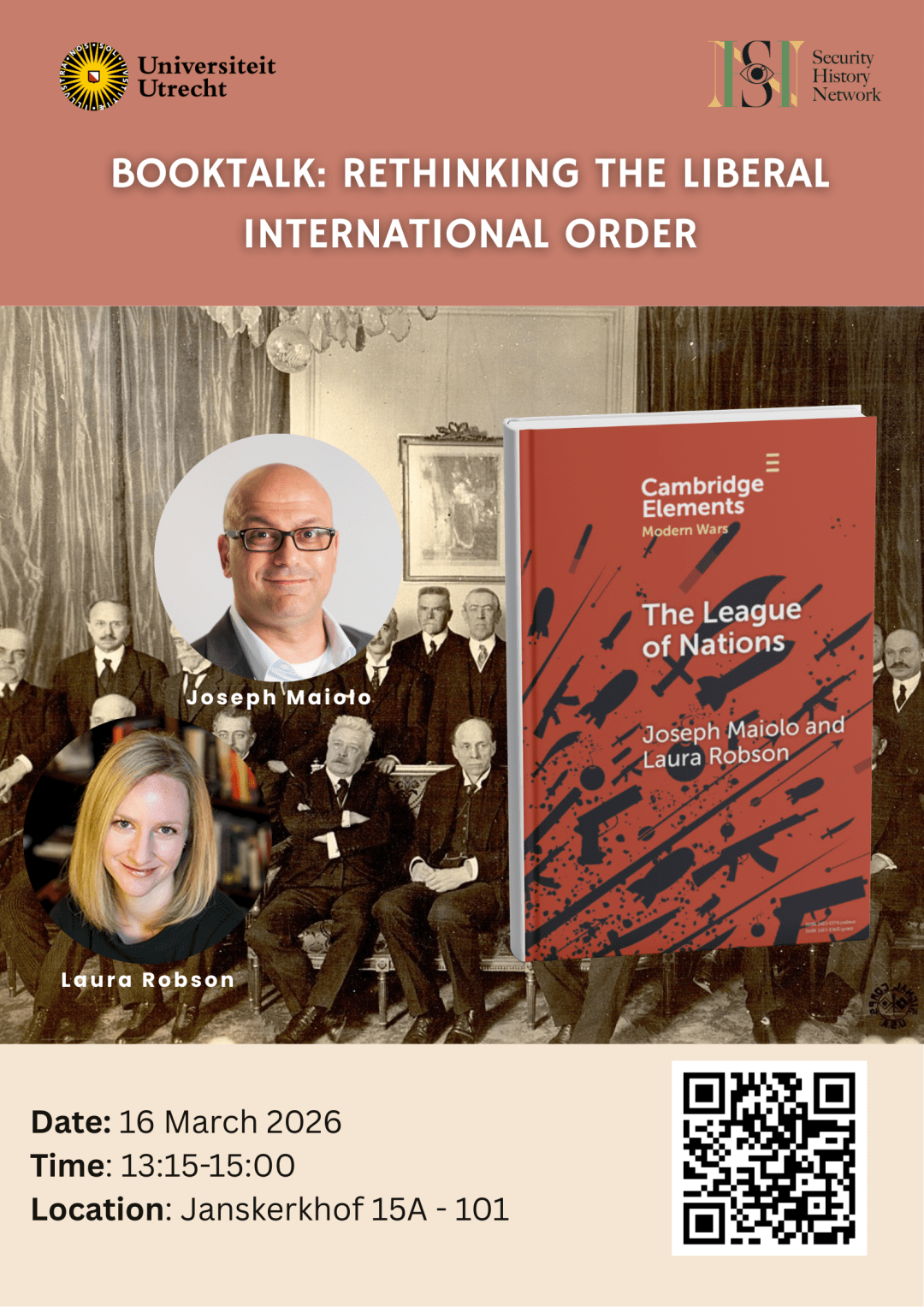

The Security History Network invites you to join us for the booktalk “Rethinking the Liberal International Order“” by prof. dr. Joseph Maiolo and prof. dr. Laura Robson
Hosted by The Security History Network
Date/Time
16 March, 13:15-15:00
Location
Janskerkhof 15A – 101
Book Presentation and Discussion with Joseph Maiolo and Laura Robson
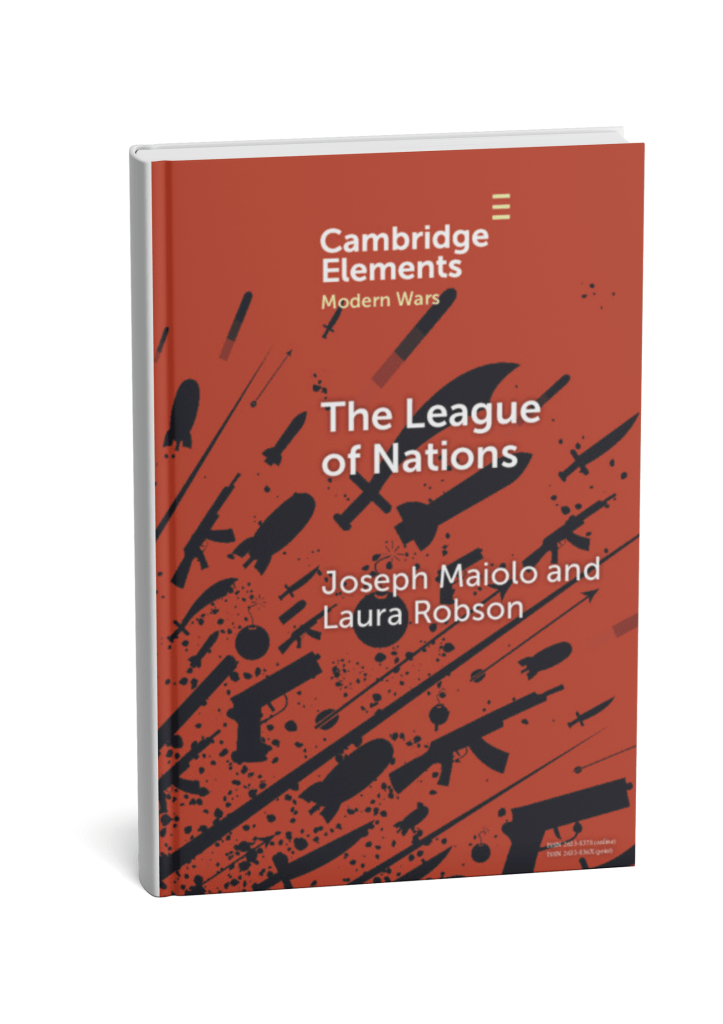
What if the liberal international order, often described as a system built on cooperation, multilateralism, and shared norms, was never primarily about equality among sovereign states? What if the institutions that are frequently portrayed as guardians of peace and international collaboration were, from the beginning, also instruments for consolidating global power? These questions lie at the heart of Rethinking the Liberal International Order, a new Cambridge Element by Laura Robson and Joseph Maiolo. On 16 March, we invite students, scholars, and anyone interested in international history and global politics to join us for a presentation and discussion of this provocative new study.
Rethinking the League of Nations
The book revisits the history of the League of Nations (1919–1946), an institution commonly remembered as the first major experiment in international governance. In much of the existing literature, the League is portrayed as an ambitious but flawed attempt to build a system of peaceful cooperation between sovereign states after the devastation of the First World War. According to this familiar narrative, its failure paved the way for the creation of more robust international institutions after 1945. Robson and Maiolo challenge this interpretation. Rather than viewing the League as an idealistic precursor to the contemporary international system, they argue that it served a very different purpose. The League, they suggest, functioned as a mechanism through which the victorious powers of the First World War, particularly Western states, sought to maintain and extend their influence over global affairs. In their analysis, the League was less a forum of equal states and more a framework through which powerful actors attempted to manage the world’s resources, armaments, and populations. Its institutional structures enabled the consolidation of economic and military power, often allowing dominant states to shape global governance according to their own strategic interests.
Technocracy, Humanitarianism, and Power
One of the central insights of the book concerns the language and ideology surrounding the League’s activities. During the interwar period, liberal internationalists frequently presented the League’s initiatives as neutral, scientific, and technocratic solutions to global disorder. Programs such as refugee protection, disarmament initiatives, and various forms of international regulation were framed as humanitarian or rational responses to the problems created by war and instability. These initiatives were widely promoted as serving a universal good, an emerging international community guided by expertise, cooperation, and moral responsibility.
Yet Robson and Maiolo demonstrate that these practices often had another effect. Beneath the rhetoric of universalism and humanitarian reform, the League’s policies frequently reinforced existing structures of power. Rather than dismantling imperial hierarchies, they often helped stabilize and legitimize them. In this way, the League’s activities contributed to preserving the global dominance of the Western victors while maintaining longstanding systems of international inequality, including civilizational and racial hierarchies that shaped international politics in the early twentieth century.
Why This Debate Matters Today
Revisiting the history of the League of Nations is not only a matter of historical curiosity. Today, the idea of a “liberal international order” remains central to debates about global governance, international institutions, and the future of world politics. At a moment when this order is widely perceived to be under pressure, from geopolitical rivalry, shifting global power balances, and growing skepticism toward international institutions, understanding its historical foundations becomes especially important. By re-examining the origins of liberal internationalism, Rethinking the Liberal International Order encourages readers to question long-held assumptions about the development of international governance and the relationship between humanitarian ideals, technocratic expertise, and global power.
Event Program
The event will begin with a presentation of the book by the authors, who will discuss the main arguments of their study and the historical evidence behind their reinterpretation of the League of Nations. Following the presentation, a moderated discussion will explore the broader implications of their work for the study of international history and global governance. The session will conclude with an open Q&A, offering participants the opportunity to engage directly with the authors.
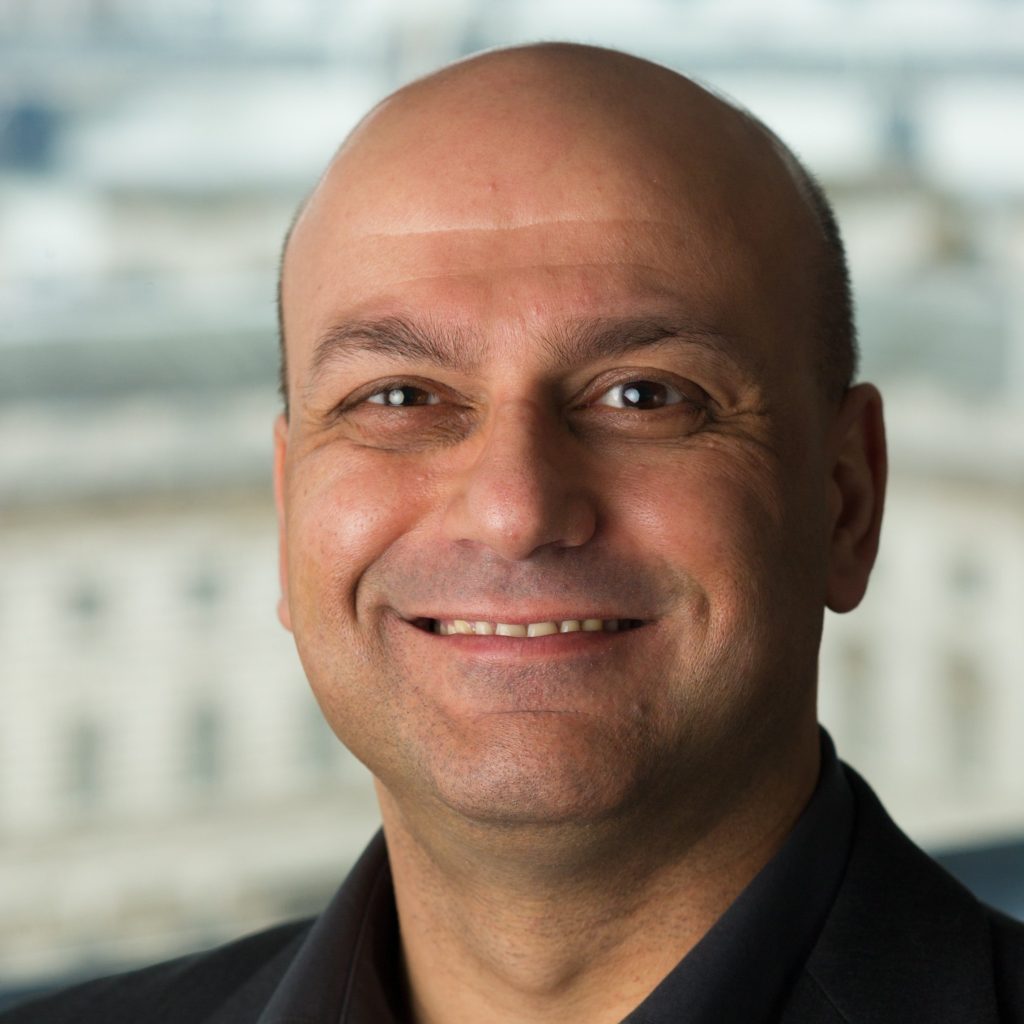
Joseph Maiolo is Professor of International History at King’s College London. Historian of international politics specialising in the origins of great wars, arms races and intelligence in the twentieth century. He holds BA and MA degrees from the University of Toronto in history and philosophy. He completed his PhD in International History at the London School of Economics and Political Science in 1996. Before coming to King’s in September 2001, he held appointments at the universities of Leicester and Leeds.
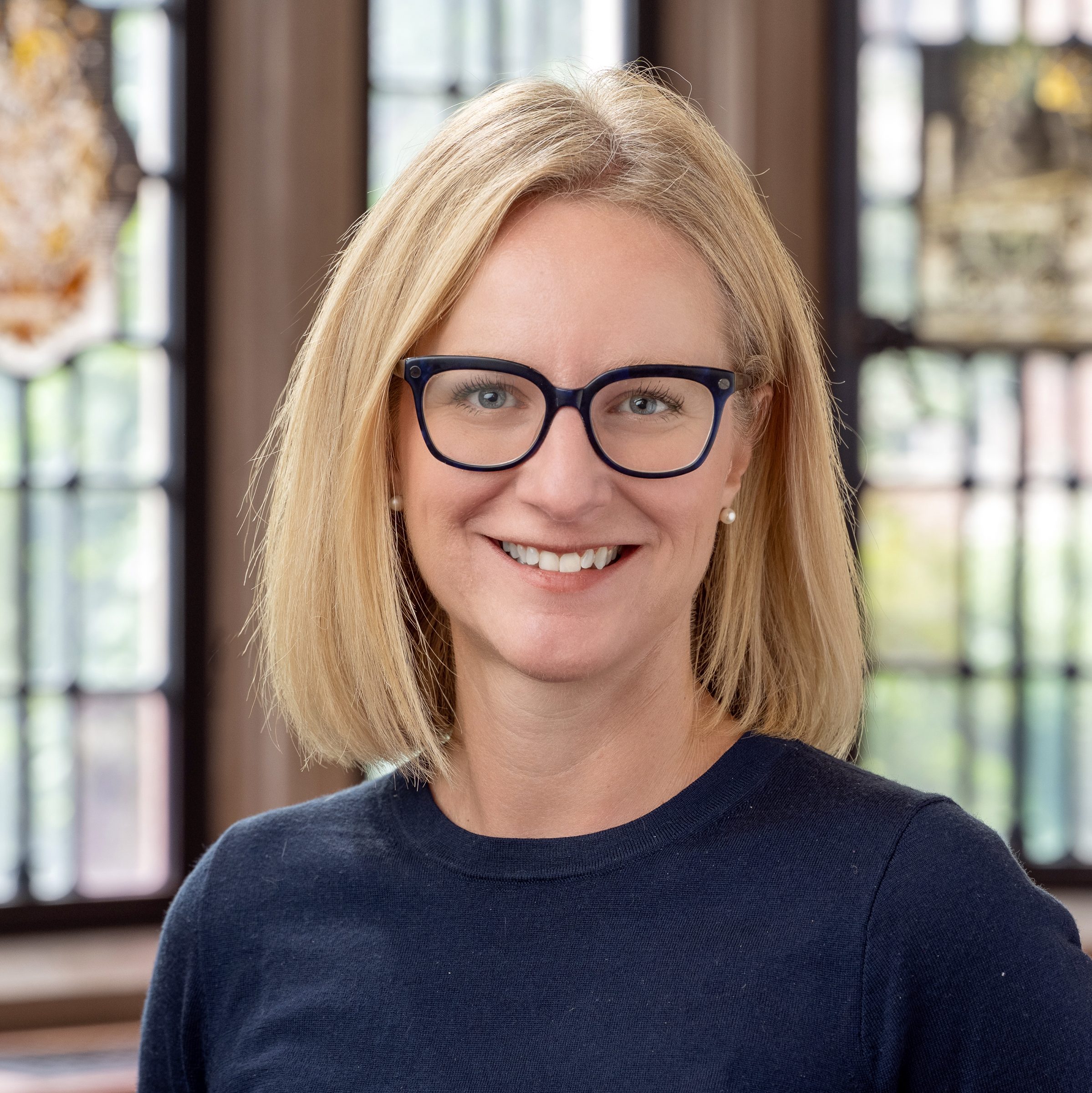
Laura Robson is Elihu Professor of History and Global Affairs at Yale University. She is a scholar of international and Middle Eastern history, with a special interest in questions of refugeedom, forced migration, and statelessness. She has published extensively on the topics of refugee and minority rights, forced migration, ethnic cleansing, and the emergence of international legal regimes around resettlement and asylum.
 The Security History Network