
Latest post
- The art of the claim: Perspectives from Rio de Janeiro on international law and intervention, 1858–1865
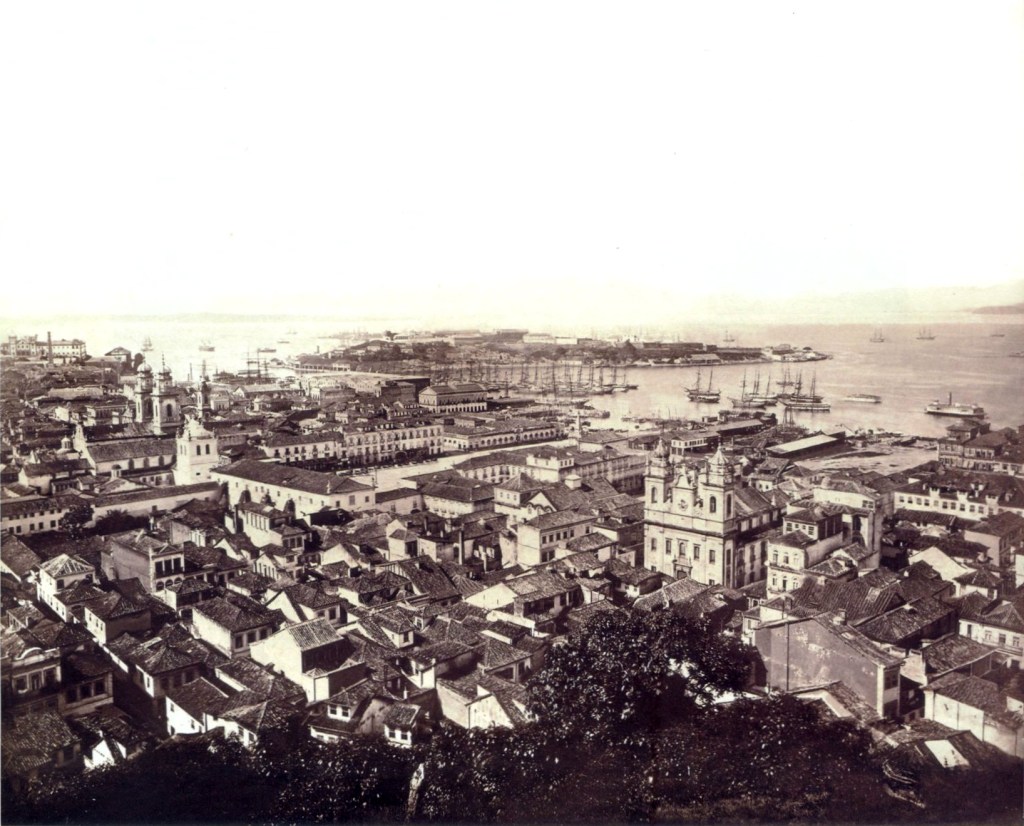 In this blog, Lars Janssen examines how nineteenth-century Brazil navigated international law, sovereignty and imperial power through two disputes over foreign claims. In 1858, Brazil accepted British arbitration in the hope of including its own claims against Britain, especially those arising from anti-slavery patrols. When Britain rejected this interpretation and seized Brazilian ships, Brazil capitulated under pressure. Only a few years later, Brazil adopted similar coercive tactics against Uruguay, using diplomatic threats, military force and an alliance with the opposition to secure compensation for Brazilian subjects. The episode reveals how Brazil, despite experiencing imperial domination, learned to use international law as a weapon of empire.
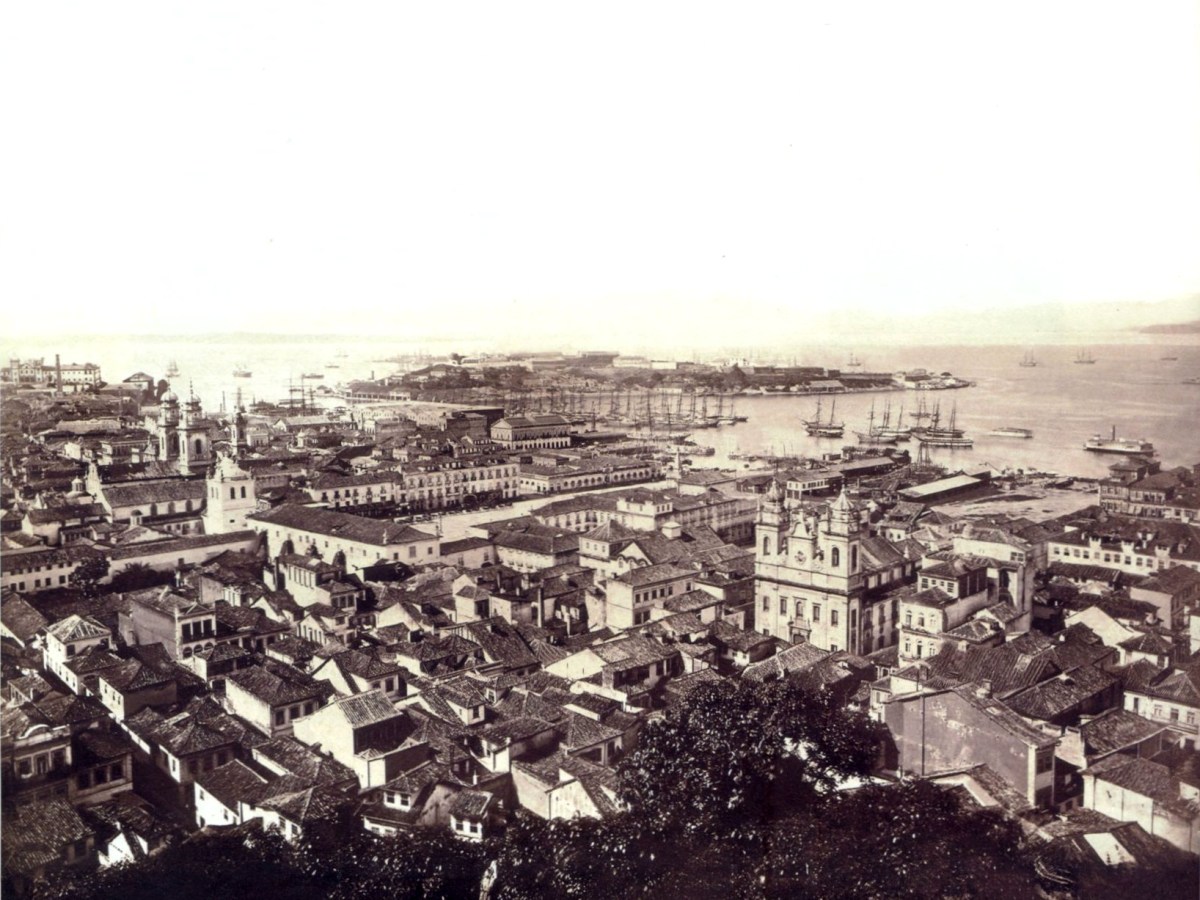
The art of the claim: Perspectives from Rio de Janeiro on international law and intervention, 1858–1865
In this blog, Lars Janssen examines how nineteenth-century Brazil navigated international law, sovereignty and imperial power through two disputes over foreign claims. In 1858, Brazil accepted British arbitration in the hope of including its own claims against Britain, especially those arising from anti-slavery patrols. When Britain rejected this interpretation and seized Brazilian ships, Brazil capitulated under pressure. Only a few years later, Brazil adopted similar coercive tactics against Uruguay, using diplomatic threats, military force and an alliance with the opposition to secure compensation for Brazilian subjects. The episode reveals how Brazil, despite experiencing imperial domination, learned to use international law…
Keep reading
Security and Technology Sovereignty: The Case of Dutch Telegraphy, 1845–1914
In this blog, Fons Borm explores how the 19th-century introduction of telegraphy shaped the Dutch government’s view of technological sovereignty and security. Initially used to build a unified domestic state and enforce colonial rule in the Dutch East Indies, the network increasingly faced geopolitical vulnerabilities. British wartime censorship in 1899 prompted a failed joint German-Dutch initiative to break monopolies. Ultimately, Borm shows that digital-era sovereignty challenges are not new, historically depending heavily on fragile international power dynamics.
Keep reading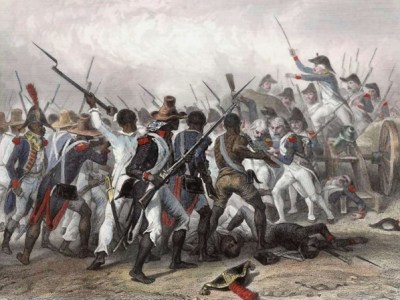
Framing Black Revolution: British Colonial Security Culture and the 1791 Haitian Revolution
In this blog, Yasaman Roustayar explores how British elites responded to the 1791 Haitian Revolution by framing it as a threat to imperial order. Drawing on the concept of security culture, it shows how politicians, writers, and newspapers portrayed Black resistance as violent and illegitimate. These narratives shaped public perception and justified military intervention. By analyzing discourse and policy, Yasaman argues that “threat” was constructed, revealing how racialized fear became a tool of imperial governance and control.
Keep reading
The Security Catastrophe of the Paris Commune – from the perspective of the communards
In this blog, Magnus Gislason revisits the Paris Commune of 1871 through the lens of security. While often framed as a threat to the French state amid invasion and collapse, the Commune can also be understood from the communards’ own security concerns. By tracing the emergence of a revolutionary “security culture from below,” the blog shows how dominant notions of order and protection were challenged, even if no coherent alternative ever fully took shape.
Keep reading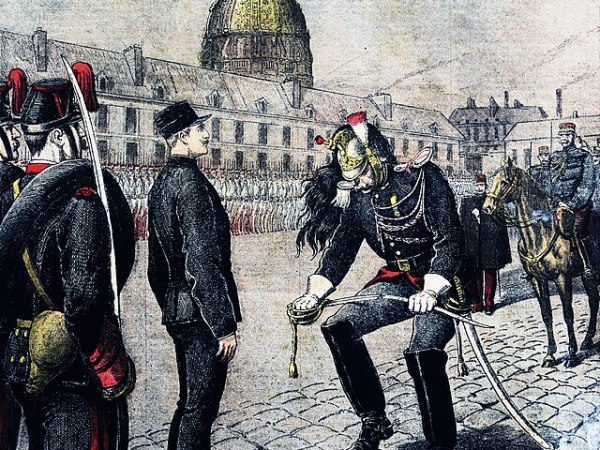
‘Death to the Traitor’: Securitization and the Dreyfus Affair
In this article, Anne Weiler examines how the Dreyfus Affair became a process of securitization in which Alfred Dreyfus was framed as an existential threat to the French nation. By analyzing the role of the French Army, antisemitic nationalism, and propaganda, she shows how fear, prejudice, and political instability enabled extreme measures to be justified in the name of security. Through media representations and symbolic narratives, the article highlights how the affair transformed from a judicial case into a powerful political and cultural struggle, revealing the dangers of weaponizing security discourse in times of crisis.
Keep reading
Wilhelm I as German Emperor: Staging the Kaiser
In this article, Frank Sterkenburgh argues that Wilhelm I, not Wilhelm II, was the true architect of the German imperial role, using self-staging and historical symbolism to establish the monarchy as a central political force in the newly unified German Empire. It challenges long-held views by showing Wilhelm I’s active role in shaping the identity and legitimacy of the Kaiser.
Keep reading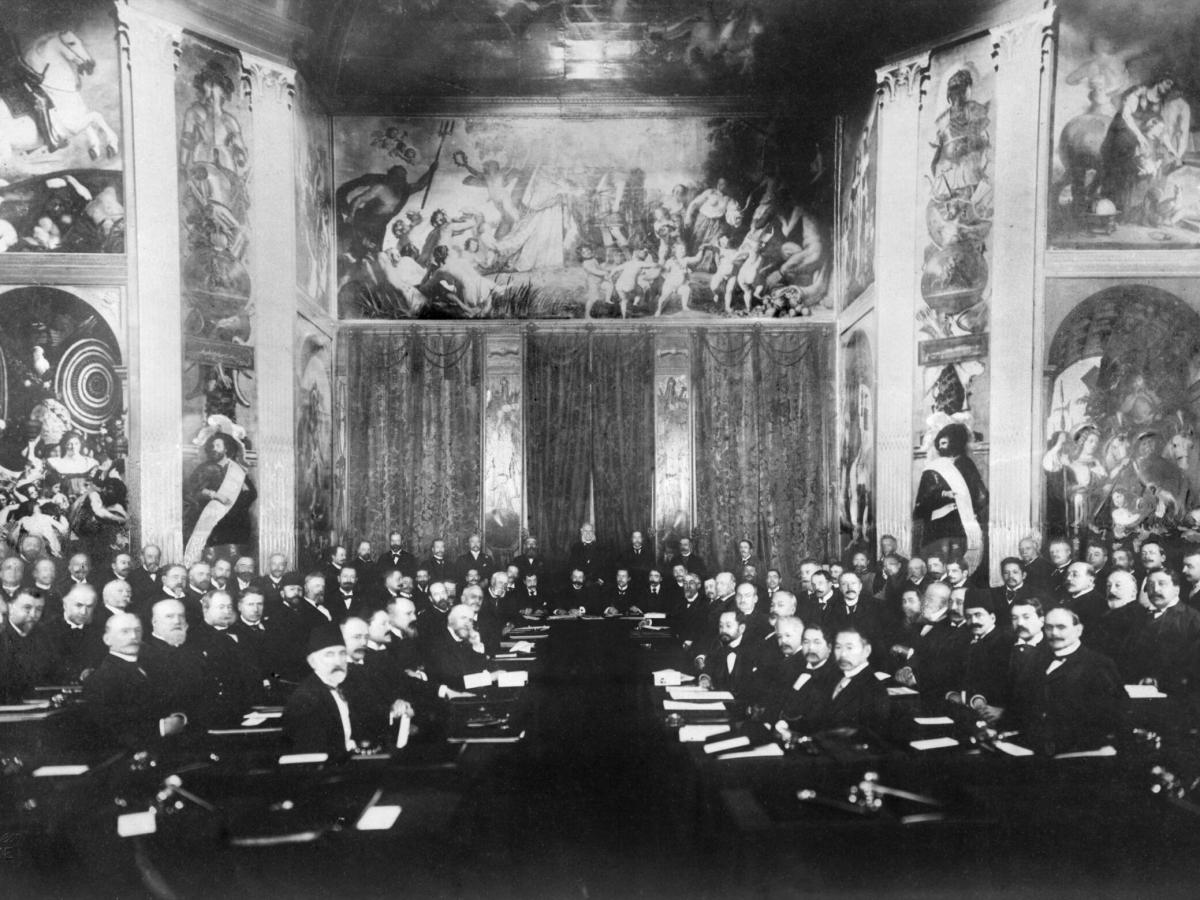
Defence of the sword or the law? Security and arms control
Benjamin Duerr analyses the history and results of the Hague Conferences of 1899.
Keep reading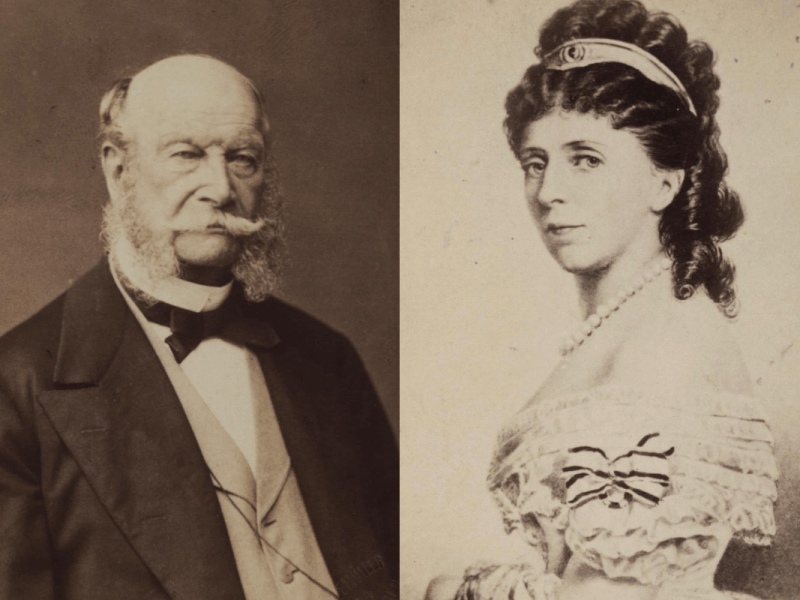
German History Beyond Bismarck: Wilhelm I, Augusta and the Hohenzollern Monarchy in the 19th Century
Lecture-recording on the influence of Wilhelm I and Augusta on the consolidation of the German state.
Keep reading
Digital Book Launch: ‘The Radical Redemption Model’ by Beatrice de Graaf
Digital Book Launch: ‘The Radical Redemption Model’ by Beatrice de Graaf
Keep reading
Het kan: Poetin, geopolitiek én religie serieus nemen
Simon Polinder trekt lessen uit de theatertour van Beatrice de Graaf en Niels Drost over de oorlog tussen Rusland en Oekraïne, waarbij de rol van Poetin, geopolitiek en religie centraal staan.
Keep reading
Faith and Security: The Dynamic Interaction of the Quests that Drove Goebbels and Hitler in the Shadow of Geopolitics
Thomas Weber explores the dynamic relationship between Adolf Hitler’s quest for national security and Joseph Goebbels’ mission to instill faith in the German people during the Nazi regime.
Keep reading
Love as an analytical lens
“Through the Eyes of Love” by Simon Polinder has been rewarded the 2024 E-International Relations Article Award
Keep reading
New Researcher’s conference call for Papers, University of Portsmouth, 19th-20th of October
The British Commission for Military History invites papers for the Commission’s 14th Annual New Researcher’s conference
Keep reading
The Bosporus in the Shadow of Geopolitics
Enno Maessen dives into the rich geopolitical history of Istanbul in the long twentieth century
Keep reading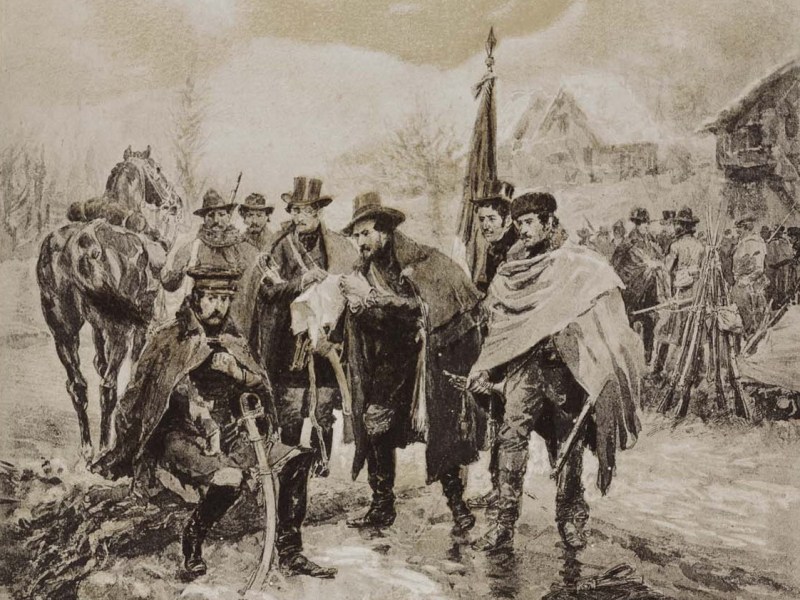
The Sacred Band: Giuseppe Mazzini’s Invasion of Savoy (1833-34)
Stefano Lissi explores the transnational background of Giuseppe Mazzini’s failed invasion of Savoy in 1833-34.
Keep reading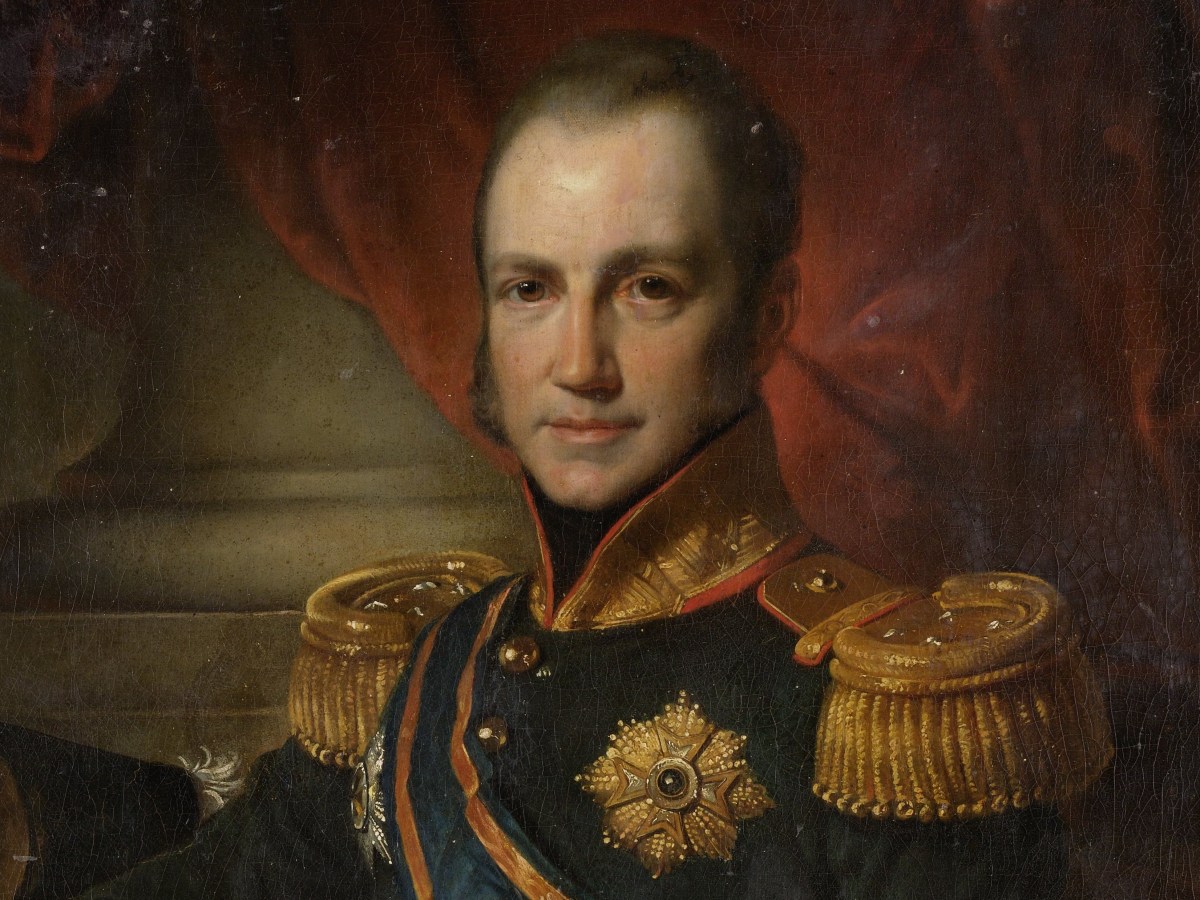
The restoration of imperial power after the Napoleonic Wars in the Dutch East Indies
Jossie van Til-Duijsters explores in this blog the restoration of the Dutch order in the Dutch East-Indies after the Napoleonic Era.
Keep reading
Manfred Roeder at the Klan’s ‘World National Congress’ and racial terrorism against ‘foreigners’
Annelotte Janse delves in this blog into the background and influences from the KKK on the actions of Manfred Roeder’s Deutsche Aktionsgruppen in Germany.
Keep reading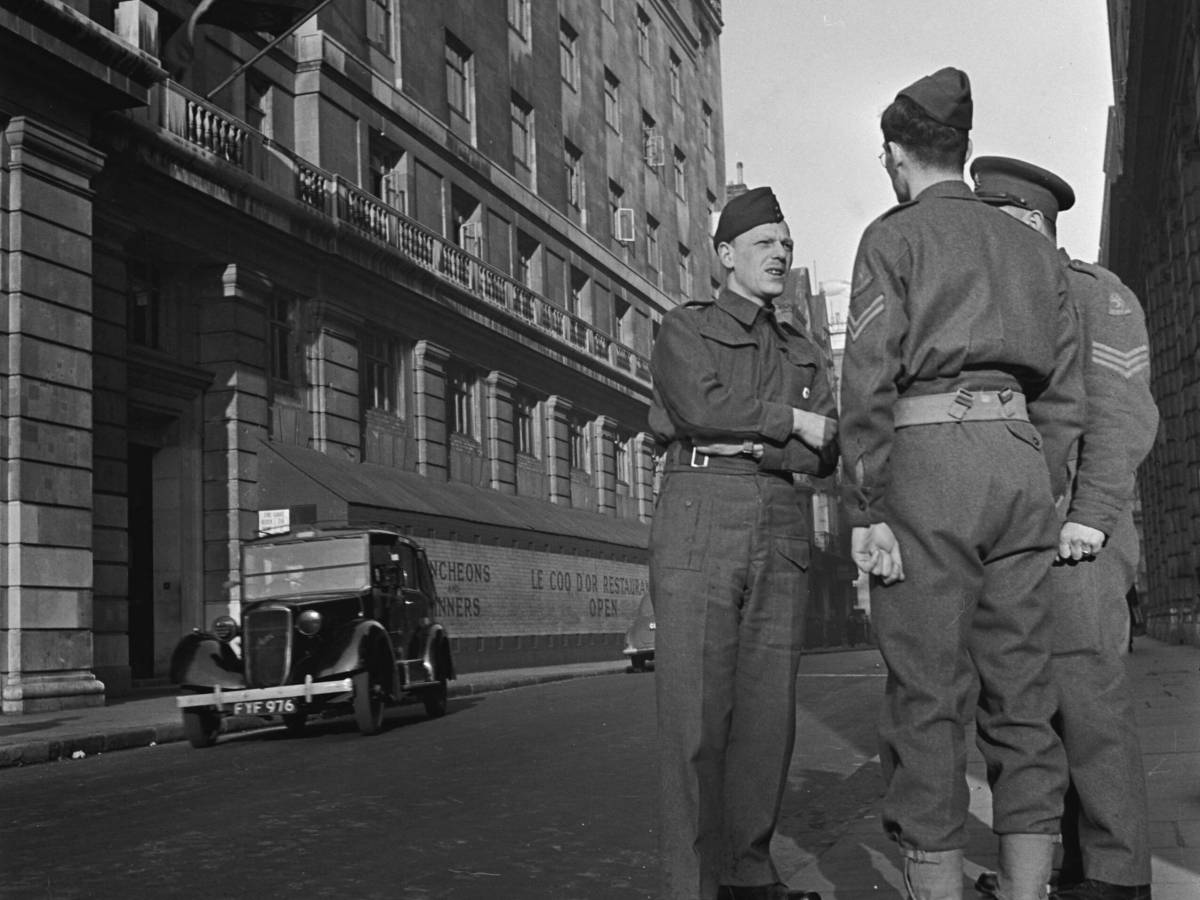
Visiting wartime London: European security through the eyes of the European exiles
Jorrit Steehouder explores the historical roots of European security by looking at wartime London. He draws historical lines between the London exiles and today’s European Union member states.
Keep reading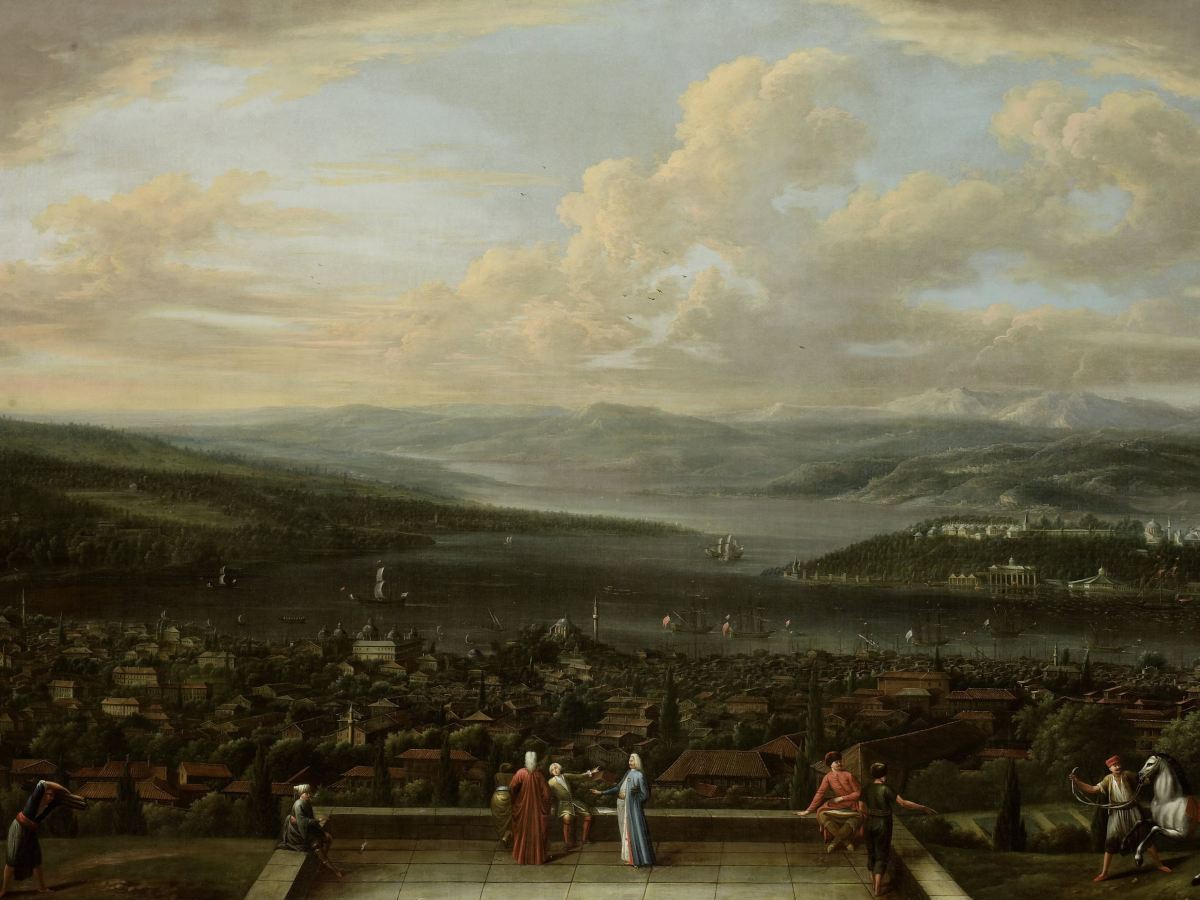
Intrigue at the Dutch Palace
Ozan Ozavci discusses what happens to the everyday lives of diplomats in a foreign capital when their respective governments turn from friends to foes.
Keep reading
Revisiting the Duke of Wellington: More liberal abroad than at home?
Beatrice de Graaf analyses the Duke of Wellington’s apparent liberal duality. by contextualising his political views, de graaf reveals the many-sideness of the duke of wellington.
Keep reading
Culture and Sedition: Milan after Napoleon (1814-21)
Stefano Lissi explores the emergence of nationalism in Lombardy after Napoleon and highlights the diverse security strategies used by the Austrian authorities against subversive actors
Keep reading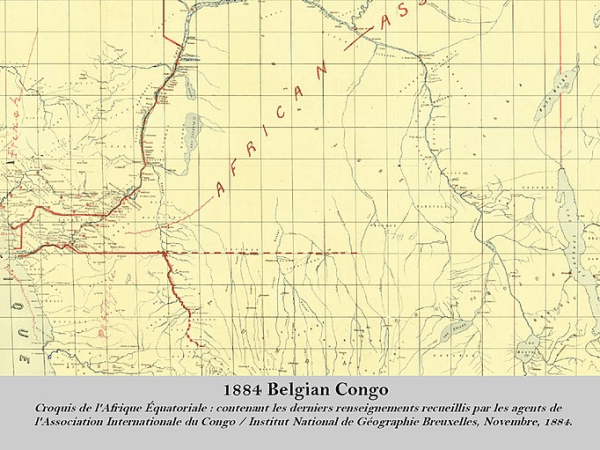
Preaching neutrality for the Congo river: Where legal experts meet imperial powers
Joep Schenk explores how neutrality was a malleable concept and can be understood as a diplomatic tool.
Keep reading
The Futile Attempt to Limit Movement: The Gendarmerie in the 19th-century mid-sized German States
Zef Segal looks at nineteenth-century German society through the prism of law and order.
Keep reading
An Unexpected Threat
Filiz Yazicioglu, PhD candidate in History at Marmara University, discusses how the prevalent Greek culture in Ioannina proved to be a threat to Ottoman imperial security in the 19th century.
Keep reading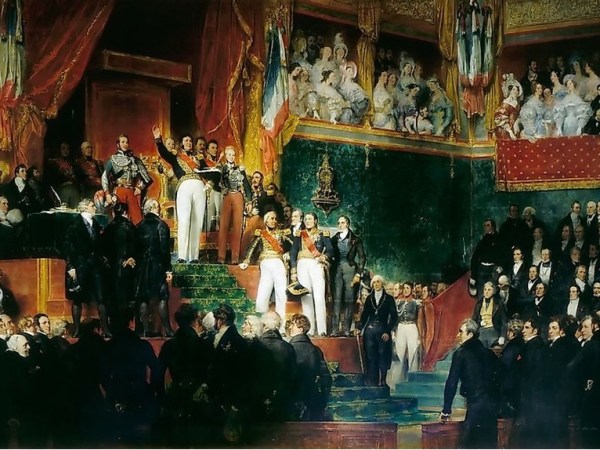
The European Project of Louis-Philippe, Duke of Orléans
Silvio Berardi, professor of History of International Relations discusses Louis-Philippe duke of Orléans and his European ambitions.
Keep reading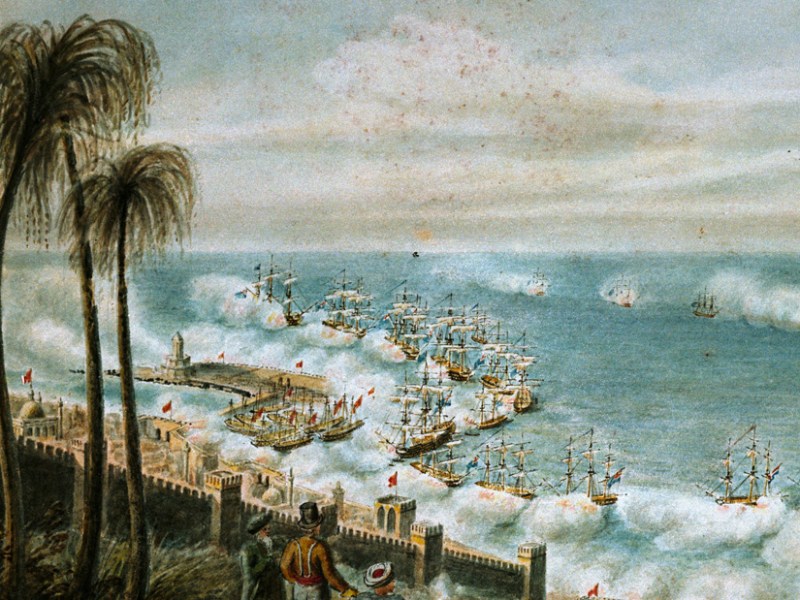
The Glancing Eye: Introducing the SHN
Erik de Lange introduces the Security History Network and explains the reason behind the design of the logo.
Keep reading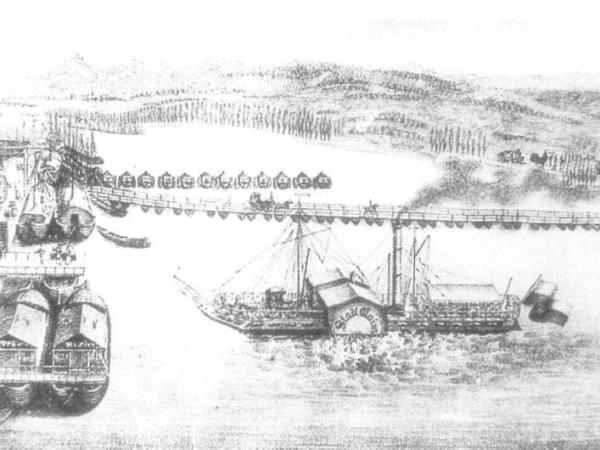
Sailors versus steamers
Joep Schenk explores how the introduction of steam-powered boats brought fear of unemployment to local sailors and the role of the Central Commission for the Navigation of the Rhine
Keep reading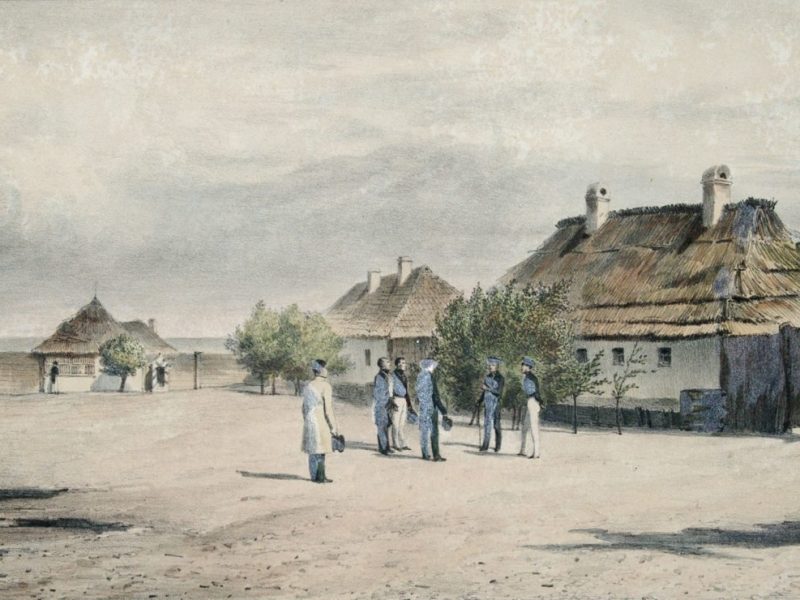
Security in times of plague and cholera
Constantin Ardeleanu details how, with the transportation revolution in the nineteenth century, infectious diseases travelled the world at an accelerated pace.
Keep reading
The Rhine during the Napoleonic Empire: a tourist perspective
Joep Schenk looks at the local communities’ daily life and of and the region’s tourist potential under French rule.
Keep reading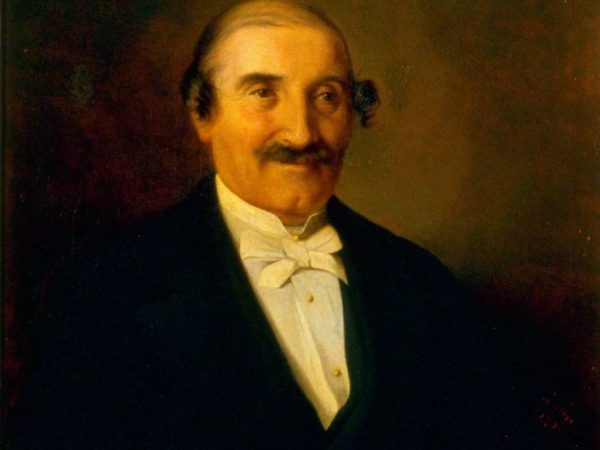
A Forgotten Hero? Sir Richard Wood’s Most Adventurous Decade in the Levant
Ozan Ozavci delves into the forgotten life of Sir Richard Wood and his decisive role in securing British and Ottoman imperial interests in the Levant.
Keep reading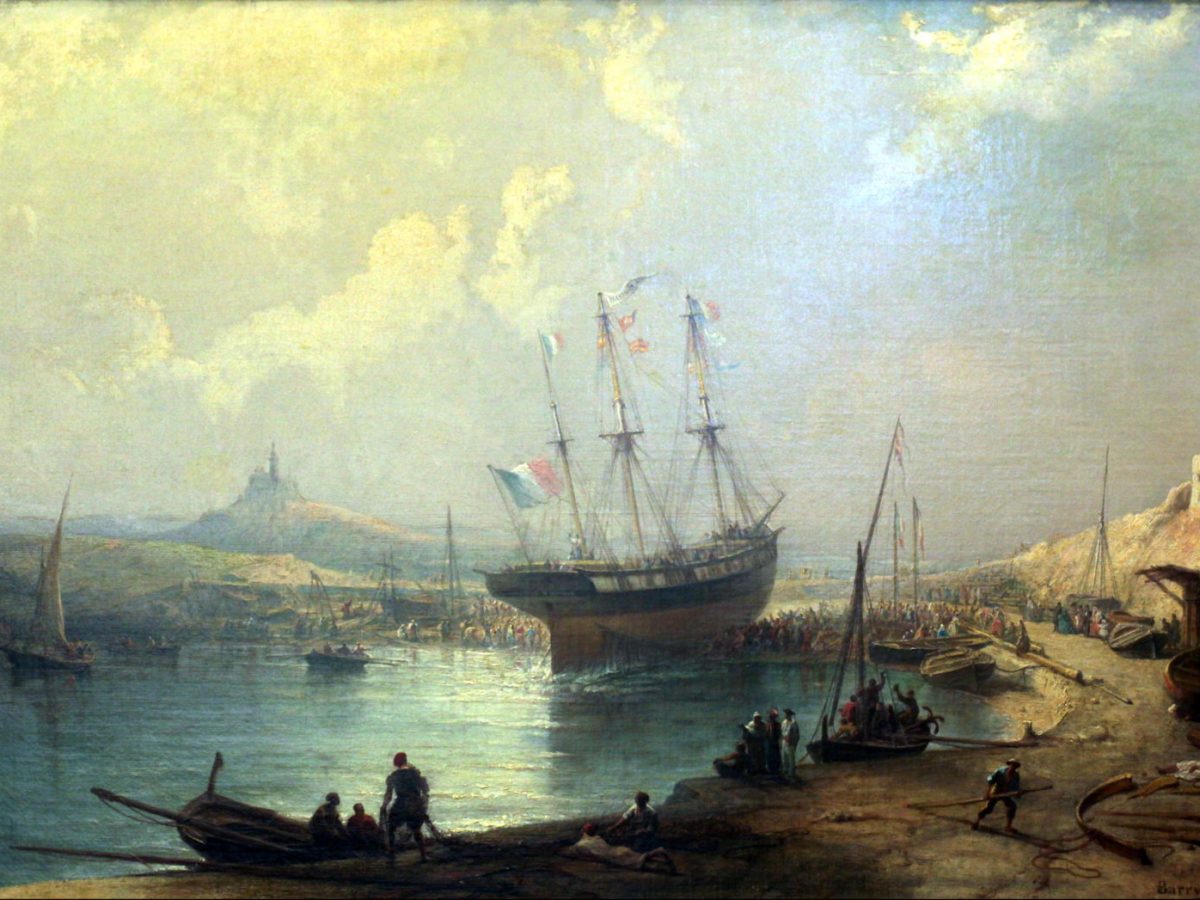
Mediterranean Surveillance, Imperial Precedents
Erik de Lange on how the Mediterranean Sea has been and still is under steady surveillance. In the past, as now, the main questions are: who is watching? And for which purpose?
Keep reading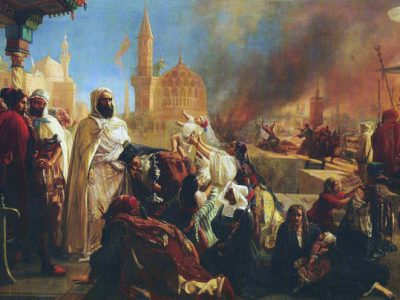
What happened to Mr Cutsi?
Ozan Ozavci reconstructs the story behind the first ‘humanitarian’ intervention in the Middle East, which involved the curious ‘murder’ of the Dutch Consul in Damascus.
Keep reading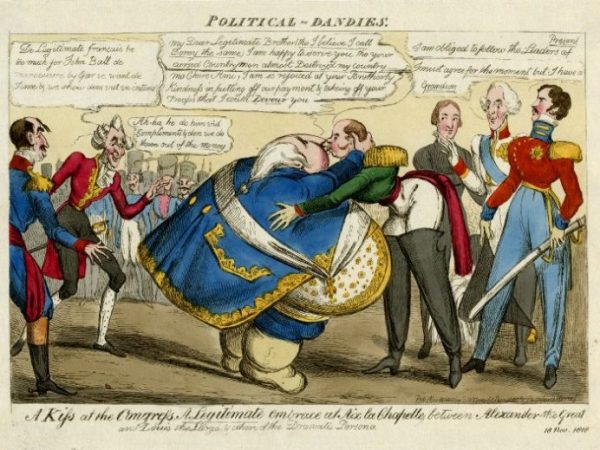
The Price of Security
Beatrice de Graaf on the dilemma of paying for peace. With Versailles (1919) as a costly peace treaty and Aachen (1818) as a security-finance trade-off that actually worked
Keep reading
