

In this blog, Lars Janssen examines how nineteenth-century Brazil navigated international law, sovereignty and imperial power through two disputes over foreign claims. In 1858, Brazil accepted British arbitration in the hope of including its own claims against Britain, especially those arising from anti-slavery patrols. When Britain rejected this interpretation and seized Brazilian ships, Brazil capitulated under pressure. Only a few years later, Brazil adopted similar coercive tactics against Uruguay, using diplomatic threats, military force and an alliance with the opposition to secure compensation for Brazilian subjects. The episode reveals how Brazil, despite experiencing imperial domination, learned to use international law as a weapon of empire.
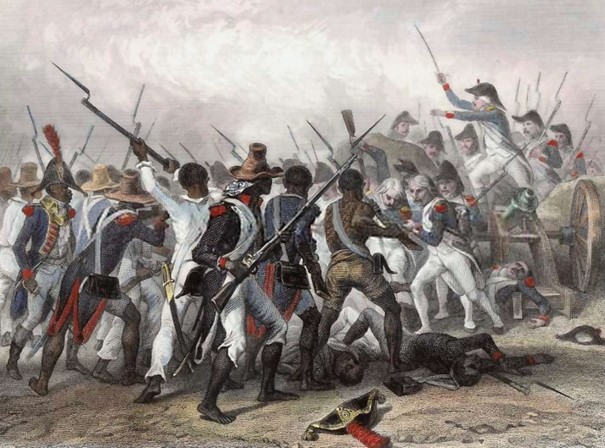
Framing Black Revolution: British Colonial Security Culture and the 1791 Haitian Revolution
In this blog, Yasaman Roustayar explores how British elites responded to the 1791 Haitian Revolution by framing it as a threat to imperial order. Drawing on the concept of security culture, it shows how politicians, writers, and newspapers portrayed Black resistance as violent and illegitimate. These narratives shaped public perception and justified military intervention. By analyzing discourse and policy, Yasaman argues that “threat” was constructed, revealing how racialized fear became a tool of imperial governance and control.

