
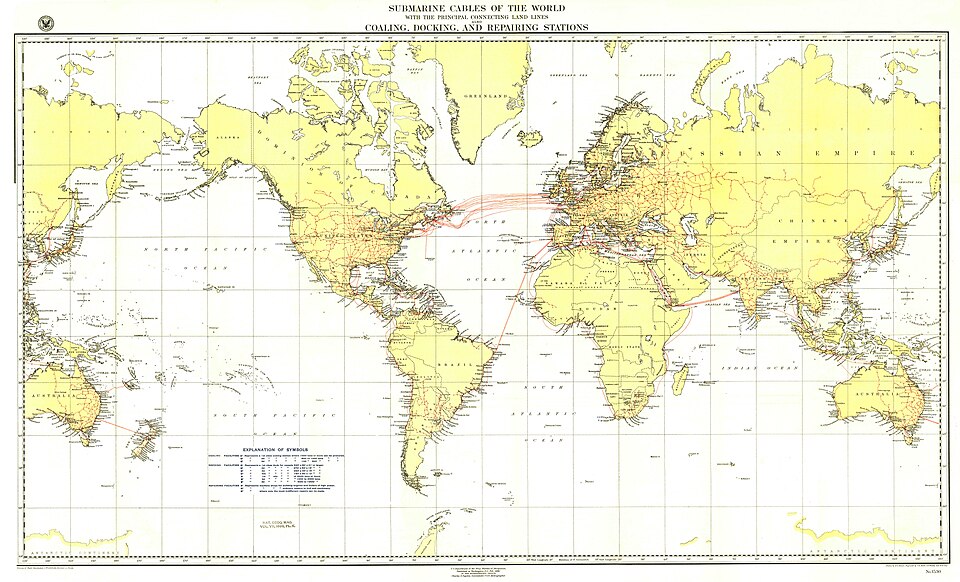
In this blog, Fons Borm explores how the 19th-century introduction of telegraphy shaped the Dutch government's view of technological sovereignty and security. Initially used to build a unified domestic state and enforce colonial rule in the Dutch East Indies, the network increasingly faced geopolitical vulnerabilities. British wartime censorship in 1899 prompted a failed joint German-Dutch initiative to break monopolies. Ultimately, Borm shows that digital-era sovereignty challenges are not new, historically depending heavily on fragile international power dynamics.

