
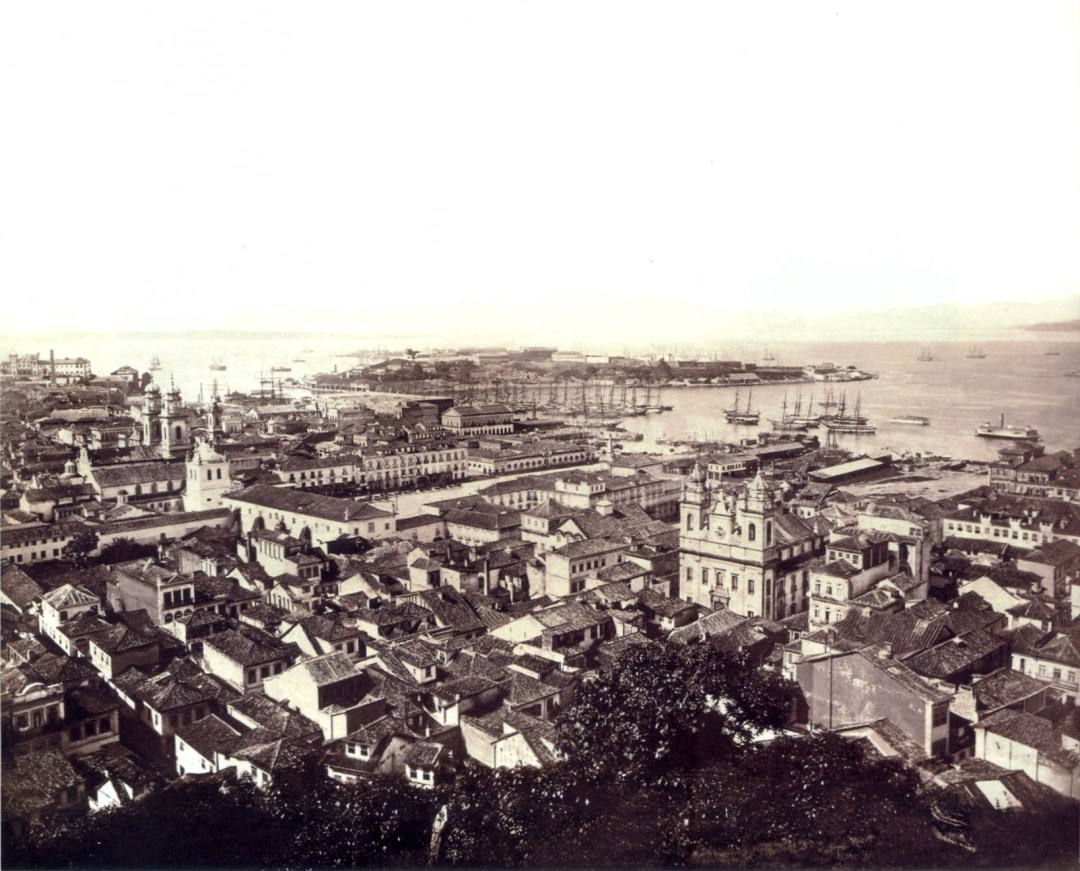
In this blog, Lars Janssen examines how nineteenth-century Brazil navigated international law, sovereignty and imperial power through two disputes over foreign claims. In 1858, Brazil accepted British arbitration in the hope of including its own claims against Britain, especially those arising from anti-slavery patrols. When Britain rejected this interpretation and seized Brazilian ships, Brazil capitulated under pressure. Only a few years later, Brazil adopted similar coercive tactics against Uruguay, using diplomatic threats, military force and an alliance with the opposition to secure compensation for Brazilian subjects. The episode reveals how Brazil, despite experiencing imperial domination, learned to use international law as a weapon of empire.
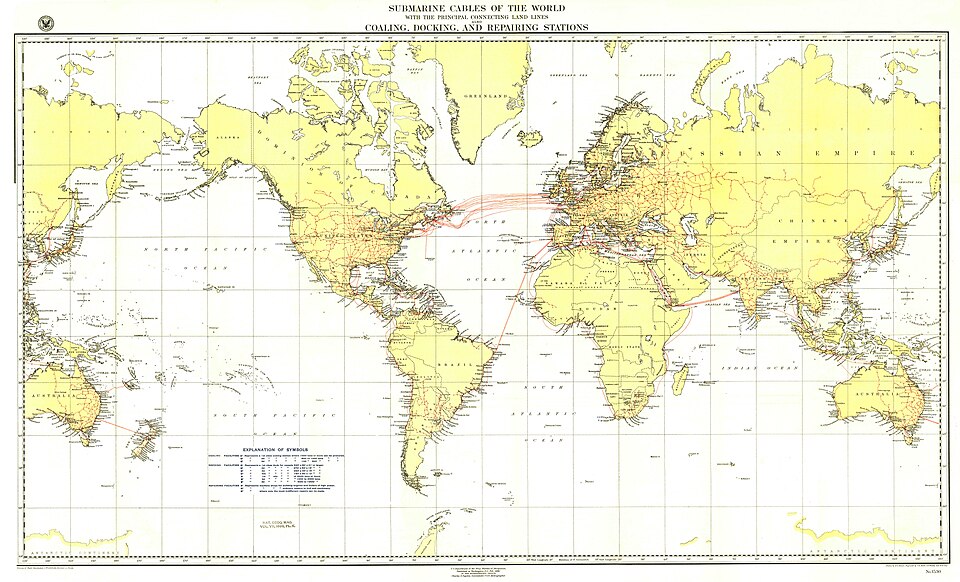
Security and Technology Sovereignty: The Case of Dutch Telegraphy, 1845–1914
In this blog, Fons Borm explores how the 19th-century introduction of telegraphy shaped the Dutch government's view of technological sovereignty and security. Initially used to build a unified domestic state and enforce colonial rule in the Dutch East Indies, the network increasingly faced geopolitical vulnerabilities. British wartime censorship in 1899 prompted a failed joint German-Dutch initiative to break monopolies. Ultimately, Borm shows that digital-era sovereignty challenges are not new, historically depending heavily on fragile international power dynamics.
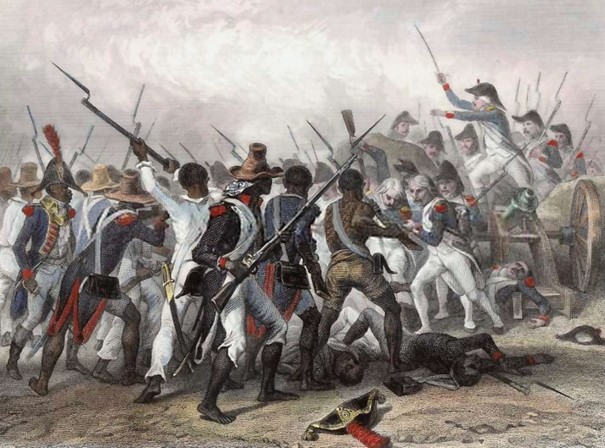
Framing Black Revolution: British Colonial Security Culture and the 1791 Haitian Revolution
In this blog, Yasaman Roustayar explores how British elites responded to the 1791 Haitian Revolution by framing it as a threat to imperial order. Drawing on the concept of security culture, it shows how politicians, writers, and newspapers portrayed Black resistance as violent and illegitimate. These narratives shaped public perception and justified military intervention. By analyzing discourse and policy, Yasaman argues that “threat” was constructed, revealing how racialized fear became a tool of imperial governance and control.

Love as an analytical lens
"Through the Eyes of Love" by Simon Polinder has been rewarded the 2024 E-International Relations Article Award

New Researcher’s conference call for Papers, University of Portsmouth, 19th-20th of October
The British Commission for Military History invites papers for the Commission's 14th Annual New Researcher's conference

Re-Imagining Security Minor
We proudly present a new, multi faculty minor 'Re-imagining Security', with the involvement of various SHN members.

Arenberg Award Ceremony for Beatrice de Graaf
Beatrice de Graaf will be awarded the Arenberg Prize for European History on the 21th of March in Brussel.

Maand van de Geschiedenis 2022
Dit jaar schrijft historicus en terrorisme-expert Beatrice de Graaf het Maand-essay. En tijdens de Maand van de Geschiedenis trekt ze door het land om over haar essay te vertellen.
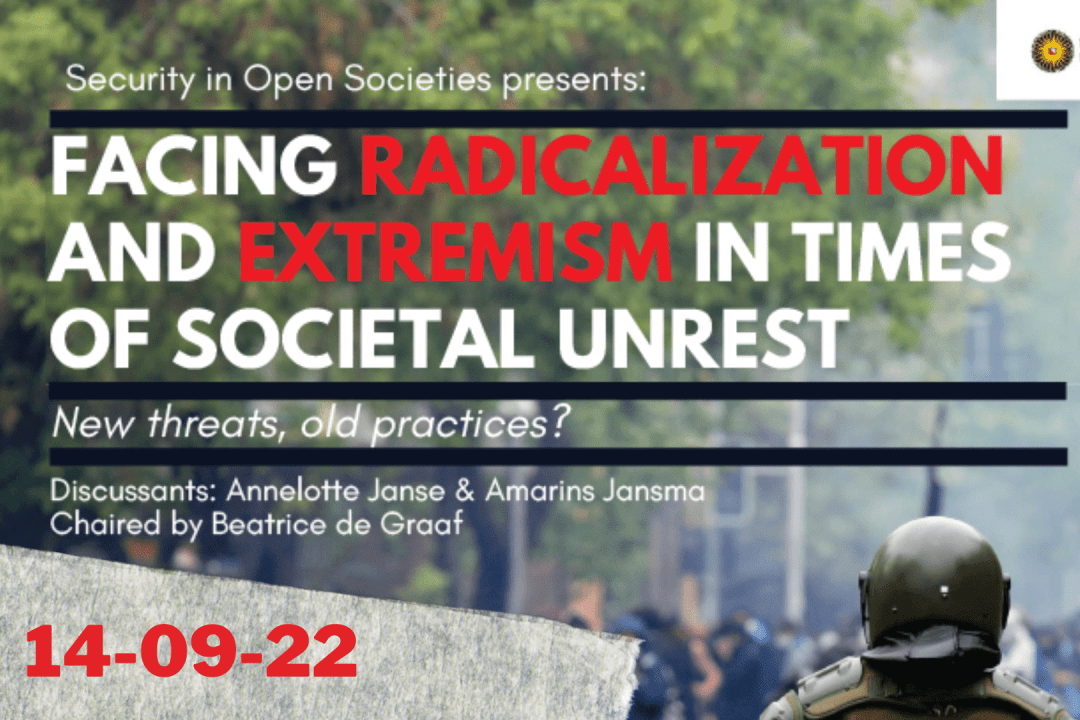
Event – Facing Radicalization and Extremism in times of Societal Unrest at Utrecht University
Utrecht University's Department of History and Art History is organising the Applied History Conference on Saturday 24 September.

Conference Videos: Rebuilding Europe after Napoleon April 2022
Here you can find all of the videos from the Rebuilding Europe after Napoleon Conference from April 2022.

